
Sweepstakes Casino Safety, Security & Player Risks
 Available in US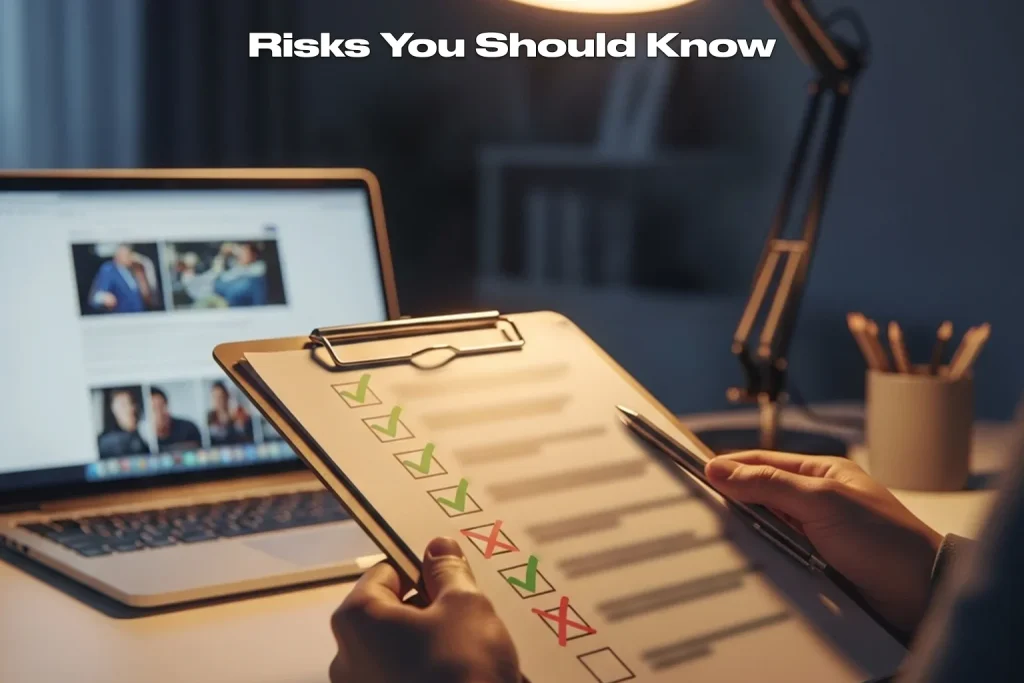
The short answer is: it depends on what you mean by “safe.” If you’re asking whether sweepstakes casinos will install malware on your phone or steal your credit card number, the major platforms — Chumba, Stake.us, WOW Vegas, McLuck — generally handle payment processing through reputable third-party gateways and use standard SSL encryption. The technical infrastructure is, for the most part, competent.
But if you’re asking whether sweepstakes casinos offer the same consumer protections as licensed gambling operators, the answer is clearly no. More than 100 class-action lawsuits were filed against sweepstakes casino operators in 2026 alone. Accounts get frozen during redemption. Customer support queries disappear into queues with no resolution timeline. And there’s no gaming commission standing between you and the operator when things go wrong. The safety question isn’t about whether these platforms work — it’s about what happens when they don’t.
The Regulatory Gap: Operating Without Traditional Licenses
Licensed online casinos in the US operate under state gaming commissions — the New Jersey Division of Gaming Enforcement, the Michigan Gaming Control Board, the Pennsylvania Gaming Control Board, and similar bodies. These agencies audit game fairness, enforce payout standards, mandate responsible gambling tools, and provide a formal dispute resolution process. If a licensed casino freezes your account without cause, you have a regulator to call.
Sweepstakes casinos have none of this. Because they classify themselves as promotional sweepstakes rather than gambling operations, they don’t apply for or hold gaming licenses. No state agency audits their random number generators. No regulator reviews their payout practices. No mandatory self-exclusion registry covers their platforms. The operators set their own rules, enforce their own terms, and resolve disputes through their own customer support — with no external oversight.
This gap is not theoretical. According to research by the American Gaming Association, half of all online casino advertisements viewed by consumers in early 2026 came from sweepstakes casino operators — platforms that aren’t subject to the advertising standards that licensed casinos must follow. The AGA’s Tres York put it bluntly in a 2026 statement: consumers recognize sweepstakes casinos for what they are. As York noted, the data makes it clear that players see through the sweepstakes label and identify the activity as gambling.
The absence of licensing also means there’s no standardized approach to responsible gaming. Some operators have voluntarily implemented deposit limits and cooling-off periods. Others offer nothing beyond a small-print link to the National Council on Problem Gambling. The inconsistency is the problem — when consumer protections are optional, the platforms with the loosest standards attract the most players, because fewer restrictions mean fewer barriers to spending.
Real Risks Players Face
The risks fall into a few categories, and none of them are hypothetical. They’re drawn from court filings, player reports, and regulatory actions that have accumulated over the past two years.
Account freezes during redemption. The most common complaint across Reddit threads, Better Business Bureau filings, and class-action suits. A player builds up a significant SC balance, submits a redemption request, and the account is locked pending “verification.” The platform requests additional documents. Weeks pass. Support tickets go unanswered or receive boilerplate responses. In some cases, the account is permanently closed with the balance forfeited. Because there’s no gaming commission to escalate to, the player’s only options are the platform’s internal process, a BBB complaint, or litigation.
KYC rejection and data exposure. To redeem Sweeps Coins, you must submit sensitive personal documents — a photo ID, proof of address, sometimes a selfie holding your ID. This data goes to the operator, which may be based overseas (VGW is Australian, Stake.us operates from Curacao). The data handling practices of these companies are not subject to the same regulatory scrutiny as licensed US financial institutions. If your KYC is rejected — because of a blurry photo, a name mismatch, or an address discrepancy — you may be asked to resubmit multiple times, each time sending more personal information through the platform’s upload system.
Delayed and denied payouts. Processing times vary wildly. Some operators pay within hours; others take two to four weeks. The terms of service typically give the platform broad discretion to delay or deny payouts for reasons including suspected fraud, technical errors, or violations of promotional terms. According to Gambling Insider, more than 100 class-action lawsuits were filed against sweepstakes operators in 2026, with VGW (Chumba Casino) facing more than 20 suits alone. Payout disputes are a recurring theme in those filings.
Aggressive advertising and spending patterns. Sweepstakes casinos are not subject to the advertising restrictions that apply to licensed gambling operators. Push notifications, email campaigns, and in-app prompts encouraging coin purchases are standard. The platforms are designed to keep you spending, and without mandated deposit limits, the only ceiling is your bank account.
A Safety Checklist Before You Sign Up
No checklist eliminates risk entirely, but these seven steps filter out the worst operators and reduce your exposure to the most common problems.
Verify the operator’s identity. Check who actually owns and operates the platform. A legitimate sweepstakes casino will disclose its parent company, business registration, and jurisdiction somewhere in the terms of service or “About” page. If you can’t find this information, that’s a red flag. VGW (Chumba, LuckyLand), Stake.us (Medium Rare N.V.), and WOW Vegas (Social Gaming LLC) are known entities with public-facing corporate identities.
Read the terms of service — specifically the redemption section. Focus on three things: minimum cashout threshold (how much SC you need before you can redeem), playthrough requirements (how many times you need to wager SC before they’re eligible), and the platform’s stated right to delay or deny payouts. If the language is vague or gives the operator unlimited discretion, proceed with caution.
Check your state’s legal status. Sweepstakes casinos are not legal everywhere. Washington and Idaho have long-standing restrictions. California, New York, Connecticut, Montana, New Jersey, and Nevada enacted bans in 2026. Additional bills are pending in Florida, Indiana, Maine, Mississippi, Iowa, and Oklahoma. If your state has banned these platforms, accessing them through a VPN won’t protect you — it’ll likely result in account closure and forfeiture of any balance.
Use a dedicated email and payment method. Don’t link your primary bank account or main email to a sweepstakes casino account. Use a secondary email and a payment method with spending controls — a prepaid card or a dedicated e-wallet — so that you maintain a clear boundary between your gambling budget and your regular finances.
Set a spending limit before you start. Since most platforms don’t enforce deposit limits, you need to enforce your own. Decide how much you’re willing to spend per week or per month, and treat it as an entertainment expense with no expected return. If you find yourself exceeding that limit, the platform isn’t going to stop you.
Test the redemption process early. Don’t wait until you’ve accumulated a large SC balance to find out whether the cashout process works. Make a small redemption request as soon as you meet the minimum threshold. This forces the KYC verification early and gives you a baseline for how long the process actually takes.
Screenshot everything. Save screenshots of your balance, your purchase confirmations, your redemption requests, and any communication with customer support. If a dispute arises, documentation is your only leverage in a system without regulatory oversight.
Where to Report Problems
When things go wrong and the platform’s customer support isn’t resolving the issue, you have several external channels — none of them as fast or effective as a gaming commission complaint, but all of them better than doing nothing.
Your state attorney general’s consumer protection division handles complaints about deceptive business practices. Most states allow you to file online. Be specific: include the platform name, your account details, the dollar amount in dispute, and a timeline of events. AG offices don’t resolve individual cases quickly, but a pattern of complaints against the same operator can trigger an investigation.
The Federal Trade Commission accepts complaints about unfair or deceptive practices through its online portal. FTC complaints contribute to enforcement databases and can lead to action against operators who generate enough volume. The Better Business Bureau is another option — less powerful legally, but BBB complaints are public and sometimes prompt faster responses from companies concerned about their public profile.
If the amount in dispute justifies it, small claims court is available in every state. Filing fees are typically $30 to $75, and you don’t need a lawyer. For larger amounts, the class-action lawsuits already underway against major operators may provide a path — though class-action timelines are measured in years, not weeks.